


World-Class Shot Blasting Technology


Wheel (Changzhou) Intelligent

+
Wheel (Changzhou) Intelligent Manufacturing Co., Ltd.
World-Class Shot Blasting Technology

Major machine breakdown reduces your factory's output and increases running costs. Fast wear quickly ruins core wear components like blades, impellers, control cages, and housing liners. Unequal wear on parts creates strong shaking problems that ruin bearings and waste engine power.
You need a dependable spare parts manufacturer to guarantee correct part fit and guard your working budget. Check every supplier using this simple selection criteria checklist:
Certified high-chromium alloy grades with HRC 60-64 hardness
Automated CNC machining for exact dimensional fit
Dynamic balance testing to eliminate wheel vibration
Ready-to-ship stock for quick worldwide delivery
Working with a skilled spare parts manufacturer protects your blast equipment performance.
Pick high-chromium alloy parts with HRC 60-64 hardness to stop them from wearing out quickly.
Ask for CNC-machined parts to make sure they fit correctly and lower repair downtime.
Check the moving parts for proper balance testing to prevent dangerous machine shaking.
Look for ISO certificates and test rooms to make sure the seller makes good products.
Calculate long-term ownership costs instead of initial buying prices to save money.
Metal recipe directly controls how long your blast machine parts will last. Wheels fling heavy metal grit at high speeds inside blast housing rooms. Low-quality metal mixtures wear out fast under this continuous force and tough high-speed grit rubbing. You must pick a parts maker that uses strict metal rules for every factory batch. Better metal purity stops early part cracking, boosts blast cleaning output, and lowers your everyday factory running costs.
Hard high-chromium iron gives you strong defense against fast grit destruction. You must check that your parts supplier uses top high-chromium alloys, like Cr27, plus strong steel tool alloys. These tough metals contain high chromium levels that create super-hard carbide crystals inside the metal structure during casting.
The main industry rule ASTM A532 sets high-chromium wear-resistant iron rules for heavy factories. Specifically, ASTM A532 Class III Type A (25% Cr) sets special white iron alloys made for heavy rubbing resistance. Makers use distinct commercial versions of this rule to fit tough factory conditions:
Granite25 gives amazing wear defense in big slurry pumping and heavy rock crushing jobs.
Diamond25 uses dense carbides and extreme outer hardness for sliding rubbing jobs like heavy factory chute liners.
Pliant25 allows easy CNC machine cutting before workers send parts to final heat hardening treatments.
Tough25 brings higher body strength and shock resistance for thick cast parts facing heavy dynamic hits.
Picking certified high-chromium metals directly protects your main wear parts against fast grit rubbing. Tough replacement parts—like blades, impellers, control cages, and feed pipes—keep their original inner shapes much longer when made from these top alloys. Center hubs and drive plates handle endless turning force and hard grit hits without snapping. Also, inner protective wall liners—like top plates, side plates, and curved plates—guard the outer wheel box against nonstop grit wear. You stop expensive box wear and body holes by using certified high-chromium wear parts.
Good alloy choice needs regular quality checks and exact hardness testing to ensure long part life in tough factory work. High-chromium wear parts must hit precise hardness numbers through exact, computer-guided heat heating steps. You should always ask for spare parts that reach certified hardness ratings from HRC 60-64.
Tough hardness testing checks the strength and life of every single cast part before shipping out. Soft metals without proof rub away fast under nonstop high-speed grit hits, causing constant machine stops. On the flip side, badly heated metals get too brittle and snap under sharp hard impacts. Good parts makers run strict hardness tests across many surface spots on every blade, cage, liner, and impeller.
You should regularly ask your parts supplier for certified material test reports with every single shipment. Good makers check both outer hardness and inside core hardness using standard metal test tools. Solid hardness across HRC 60-64 proves proper heating changed the metal body into tough martensite and hard chromium carbides. This strong body keeps accurate grit aiming, holds your best blast cleaning pattern, and stops uneven part wear. By demanding strict hardness checks, you stretch replacement times and keep factory work running smoothly.
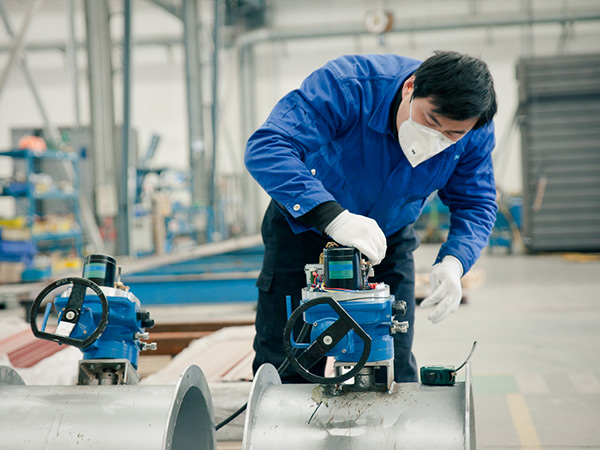
You need to choose replacement parts that fit smoothly into your current blast wheel setups. Poorly fitted parts cause dangerous friction, fast part wear, and major work delays across your factory floor. Exact size matching keeps your machinery operating constantly without any unexpected system stops. Checking precision engineering skills helps you select a qualified spare parts manufacturer for your plant.
Automated CNC machinery guarantees exact sizing for every single replacement component you order. Modern computer-controlled cutters shape tough high-chromium metals without human position mistakes or manual errors. Precise casting sizes let new blades, impellers, feed pipes, and control cages slide easily into place. Quick installation routines lower your planned repair downtime by a large margin. Correct inner spacing stops fast-moving metal grit from jamming turning parts during long daily runs. A secure fit shields inside wall liners from direct grit hits.
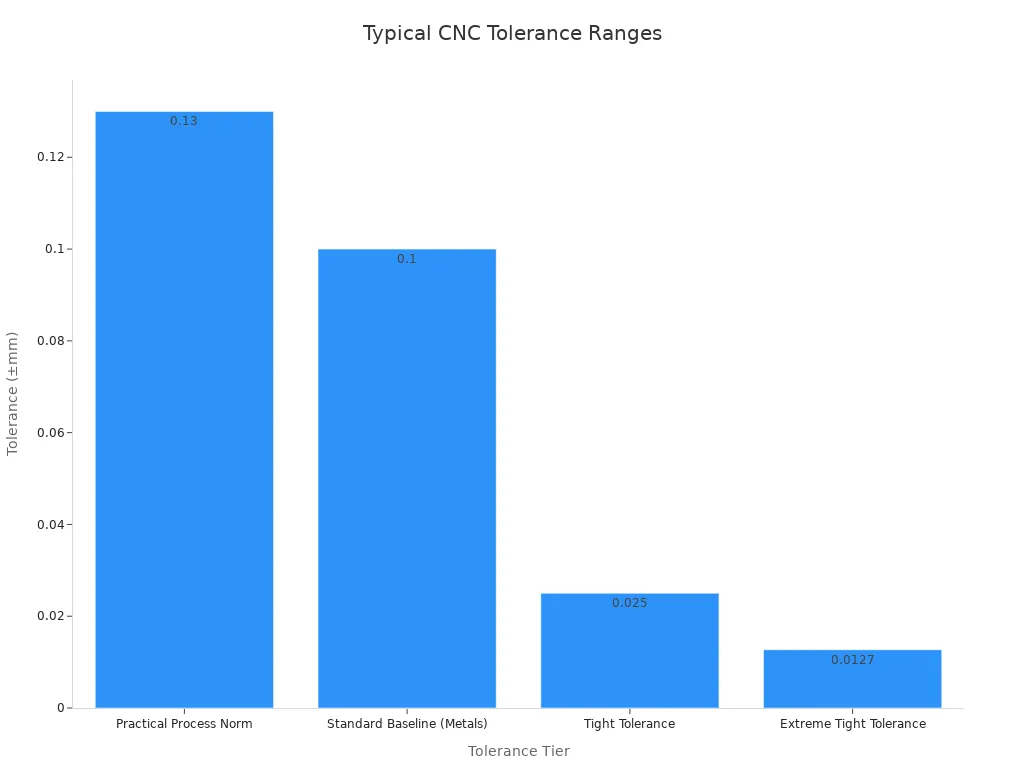
Strict machining limits preserve proper alignment inside your heavy surface cleaning tools. Parts suppliers use uniform size limits across different metal part areas during factory production runs.
Tolerance Tier | Dimensional Range (mm) | Description & Implication for Fitment |
|---|---|---|
Standard Baseline (Metals) | ±0.1 mm | Common starting point for linear dimensions on metal parts. |
Standard Precision/Production | ±0.051 mm | Features requiring greater accuracy than standard production. |
Tight Tolerance | ±0.025 mm | Threshold where process control increases for precise fitment. |
Extreme Tight Tolerance / Reamed Holes | ±0.0127 mm | Critical fitment interfaces and precise hole diameters. |
Standard metal making jobs keep overall straight limits near ±0.1 mm across basic cast shapes. Normal factory rules allow a ±0.13 mm range across wide cutting, turning, and drilling work. However, key matching spots like reamed holes need tight quality control down to ±0.0127 mm. Part spots cut on the same machine side stay accurate within ±0.051 mm. Precise limits protect inner center hubs and drive plates against early loose play. These exact size measurements guarantee your parts match original blast wheel machine specs perfectly.
Blast wheels turn at super high speeds inside heavy plant rooms during daily metal cleaning work. Tiny weight differences across new replacement blades cause harmful physical forces during fast turning movements. You must demand complete spin balance checks for all drive plates, impellers, and blade sets. Correctly balanced part sets spread out spinning forces evenly across the whole blast wheel frame. Smooth turning stretches part life across all inside wall guards, like top, side, and curved plates.
Strict spin testing removes bad machine shaking before replacement parts arrive at your plant. Heavy shaking quickly ruins engine shaft bearings and cracks central drive plates. Unbalanced wheel parts also waste significant turning power, burning extra electrical energy every single hour. Well-balanced parts keep stable motor power use going through long factory shifts.
Dynamic balance testing minimizes mechanical vibration, prevents premature bearing failure, and preserves efficient motor torque transmission during heavy-duty operation.
Working with a skilled spare parts manufacturer ensures longer blast machine life under harsh work setups. Correctly balanced wear parts throw steel grit cleanly right onto intended blast hit zones. Better shot targeting keeps your metal surface cleaning steady across all production parts. Exact size matching and verified spin control protect your whole machine investment for the long run.
Always check factory safety and quality papers before ordering new wear parts for your machines. Real testing groups like TUV and SGS check real factories to confirm they can build parts correctly. You can ask suppliers for their current certificates to make sure their factory is approved.
Official paper checks help you spot real part makers instead of basic middleman stores or traders. You can look up three main ISO numbers right on the official approval website:
ISO Standard | Focus Area | Relevance to a Spare Parts Manufacturer |
|---|---|---|
ISO 9001 | Quality Management System | Guarantees strong building steps, close quality checks, and constant improvements that create long-lasting, accurate parts. |
ISO 14001 | Environmental Management System | Shows green building methods and safe trash handling, proving the plant cares about clean part manufacturing. |
ISO 45001 | Occupational Health & Safety | Proves workers follow clear shop safety rules, which keeps the machine parts working safely in your plant. |
Strong replacement part makers build full testing labs inside their actual production plants. Metal checking machines like Niton or SPECTRO SORT test exact metal mixes before workers start pouring castings. Metal microscope tools check internal metal designs to ensure complete heat treats for every single batch.
Careful size checks stop bad fitting problems when you pause work for planned wheel repair steps. Good plants use special inside tools to measure crucial replacement items:
Coordinate measuring tools like ZEISS systems check hard part shapes down to 0.002mm limits.
Hardness testing devices like HR-150A Rockwell tools check exact outer hardness on blades and impellers.
Handheld sound flaw detectors like TUD210 units scan inside cast bodies for hidden metal cracks.
Full internal testing tools protect steady part strength for your heavy surface cleaning equipment. You defend your factory floor from sudden machine stops by choosing tested suppliers with complete lab tools.
Factory work relies on getting replacement parts quickly. High-wear items like blades, impellers, and housing liners wear down fast during tough surface cleaning shifts. You need a supplier that keeps these busy parts stocked in nearby warehouses. Reliable suppliers hold ready-to-ship inventory in accessible regional hubs. This smart stocking plan shields your main production lines from sudden machine stops and costly work delays.
Running out of stock leaves your heavy machines sitting completely idle. Ordering from vendors without ready stock greatly increases downtime during sudden machine breakdowns. Qualified suppliers keep shelves full of control cages, feed pipes, drive plates, and side liners. You protect your daily plant schedule by checking real inventory levels before major breakdowns happen. Steady part supplies let maintenance teams replace worn hardware right away without waiting weeks for fresh castings.
Fast shipping keeps your factory running smoothly during urgent machine repairs. Top global suppliers rush order fulfillment to prevent long equipment outages at overseas plants. Quick dispatch options separate great vendors from slow part distributors. Your purchasing team should check the shipping routes and carriers of prospective suppliers. Clear shipping schedules help you plan routine maintenance without interrupting daily factory output or missing deadlines.
The manufacturer Wheel (Changzhou) Intelligent Manufacturing Co., Ltd states that spare parts which are in stock are shipped within 24 hours of order confirmation.
Picking a skilled spare parts manufacturer with fast warehouse shipping guarantees quick replacements for broken core components. Rapid dispatch from overseas hubs cuts total travel delays for plants in major industrial regions. You avoid long operational stops by partnering with efficient, logistics-focused suppliers. Reliable international shipping keeps your surface cleaning systems running at peak productivity all year long.
Cheaper replacement parts often fail fast inside harsh blast rooms. Low-quality blades, impellers, and housing liners wear down quickly from constant grit rubbing. You must track total ownership costs instead of initial buying prices. High-grade metals like Cr27 high-chromium iron extend part life greatly. These top-quality castings double or triple working run times between repair visits.
You find true part value by dividing total price by total working hours (cost per hour = purchase price / operational hours). Cheap parts look budget-friendly during initial buying choices. However, quick wear increases your long-term operating expenses. Picking a reliable spare parts manufacturer delivers tough components that lower your hourly costs over time.
Sudden equipment failure stops your production lines completely. Fast wear on key wheel parts forces emergency factory shutdowns. High hourly breakdown costs ruin your operating budget fast during major machine stops. You must avoid sudden machine stops by picking trustworthy wheel components.
Context | Cost per hour |
|---|---|
Mid-sized manufacturing facilities | $22,000 - $50,000 |
Large automotive plants | $100,000 - $300,000+ |
Automotive assembly line (specific example) | $1,320,000 (lost vehicle production $1,250,000 + labor $45,000 + supplier penalties $25,000) |
Mid-sized factory plants face downtime losses between $22,000 and $50,000 every single hour. Large car factories lose between $100,000 and $300,000+ each hour during unexpected line stops. One specific car line failure costs $1,320,000 in total. That lost total includes $1,250,000 in missed vehicle builds, $45,000 in extra labor, and $25,000 in late vendor fees.
Teaming up with a skilled spare parts manufacturer shields your factory from these huge money risks. Extra-durable wear parts keep cleaning work steady, protect downstream assembly tasks, and stop unexpected plant stops. Top replacement parts keep your entire manufacturing plant running smoothly and profitably all year long.
You secure long-term blast wheel performance by selecting a certified spare parts manufacturer. You must prioritize high-chromium alloy grades, strict dynamic balance testing, and CNC dimensional accuracy. Smart procurement teams should also track essential operational metrics like supplier defect rate, delivery time, and inventory turnover.
Take direct action to safeguard your factory output today. Request official material test certificates for every replacement batch. Schedule detailed factory quality audits to verify insurance and certification compliance. Finally, test sample wear components directly inside demanding high-wear applications across foundries, automotive lines, aerospace engineering facilities, or heavy steel processing plants to guarantee reliable daily operation.
You should look for strong high-chromium iron mixtures like Cr27 with official hardness ratings from HRC 60-64. This high strength shields your blades, impellers, and outer wall liners from fast grit scraping. Therefore, your replacement parts keep their true shapes and work much longer through tough daily jobs.
Spin testing removes small weight differences across turning pieces like blades and impellers. Unbalanced parts cause dangerous shaking problems during high-speed spinning. By asking for spin testing, you stop early bearing destruction, avoid lost engine power, and shield your wheel housing from heavy physical damage.
Computer-guided shaping ensures perfect sizing for your current blast wheel machines. Close size limits stop parts from catching or moving out of place during fast daily runs. Your repair team can rapidly swap in fresh blades, cages, and side plates without hand trimming, keeping system stops low.
You should search for ISO 9001 for part quality, ISO 14001 for clean nature protection, and ISO 45001 for factory worker safety. Outer testing groups like TÜV and SGS check these official rules. Current certificates prove that your maker uses strict building controls and supplies tough, dependable machine parts.
Whatsapp: +86-13115294491
E-mail: kanas@blastingwheelgroup.com
ADD: No161, Han Jiang West Road, Xinbei District, Changzhou City, Jiangsu Province, China
Mobile: China: 0086-13115294898 ; International: 0086 13115294491


