


World-Class Shot Blasting Technology


Wheel (Changzhou) Intelligent

+
Wheel (Changzhou) Intelligent Manufacturing Co., Ltd.
World-Class Shot Blasting Technology

Start each day by opening the access door of your dust collector to maintain dust collector performance. Check that every filter cartridge sits firmly in place and that the seals remain intact. A loose cartridge lets fine particles escape, which lowers suction and creates safety hazards.
After checking the seals, turn on the fan for a pipeline running test. Listen for odd noises and make sure the system keeps good sealing throughout the ductwork. This quick daily check keeps electrical parts safe from dust and helps your shot blasting machine run smoothly.
Skipping this routine leads to less airflow and poor visibility in your workspace. You can keep the dust collector working well by making this inspection a must-do habit. Regular care prevents costly repairs and ensures a safe, clean space for your team.
Check the filter cartridges and seals every day, then run a fan test to keep the suction strong.
Check hoses and tighten clamps every week to stop dust from leaking and keep air flowing well.
Clean the filters deeply once a month using reverse pulse or shaking to bring back their full performance.
Fix suction loss and noise right away by checking for clogs, filters, and loose parts.
Your daily routine starts with a simple pressure check. Most good shot blasting dust collectors have a pressure gauge or a differential pressure readout. You should write down this number every morning. A rising pressure reading means the filters are getting full of dust. Finding this early stops airflow loss. Less airflow means you can’t see as well in your work area. It also lets fine dust get into electrical parts. This daily habit protects your equipment.
Open the access door of your dust collector. Look at each filter cartridge closely. Check that every cartridge sits tight in its mount. A loose cartridge lets unfiltered air go around the filter. This causes instant problems for your shot blasting machine.
Look at the seals and gaskets around each cartridge. Check for cracks, compression marks, or worn spots. Bad seals let dust escape into the air around you. You can see this problem quickly. If dust comes out of the exhaust stack, there is a problem. Tears or holes in the pleated media also cause trouble. Collapsed filters drop suction a lot.
The table below shows what you should look for during this check:
Sign | Likely Cause |
|---|---|
Visible Dust Coming Out | Damaged filters, poor sealing, worn gaskets |
Weak Suction or Low Airflow | Torn pleated cartridges, collapsed filters |
Run your hand along the gasket surface. Feel for rough spots or missing parts. Replace any cartridge with damage right away. Do not wait for a scheduled maintenance day. A damaged cartridge hurts the whole system.
Your dust bin collects the captured particles. A full bin blocks airflow. It also makes a mess when you open the access door. Empty the bin every day or when it is three-quarters full. Wear a proper respirator during this task. Fine dust particles get into the air easily.
After emptying the bin, turn on the fan. Run a pipeline test through the whole ductwork system. Listen carefully for strange noises. Rattling or whistling sounds mean loose connections or leaks. Check that the system keeps good sealing everywhere. Look at each duct joint and connection point.
This fan test makes sure your shot blasting machine has good suction. Strong suction keeps the work area clean. It also stops dust from settling on machine parts. Dust on electrical parts causes short circuits. It also shortens the life of moving parts.
The daily fan test takes only a few minutes. But it gives helpful information about system health. You can find small problems before they become big failures. This careful approach saves money and time.
Remember that your shot blasting machine needs the dust collector to work safely. The collector removes harmful particles from the air. Without it, operators breathe dirty air. This creates serious health risks.
Make this daily check a must-do habit. Set a specific time each morning for the inspection. Being consistent is more important than being perfect. A quick five-minute check stops hours of repair work later. Your shot blasting machine will run smoother. Your team will work in a safer space. Your shot blasting dust collector will last longer.
The daily routine takes discipline. The reward is lower maintenance costs and fewer breakdowns. Start tomorrow morning with the pressure check. Then move to the cartridge inspection and fan test. You will see the difference within a week.
Your daily routine catches small problems early. But some issues take a full week to develop. Set aside time each week for a deeper inspection of your dust collection system. This weekly check keeps your shot blasting machine running at full power. It also prevents sudden breakdowns that stop production.
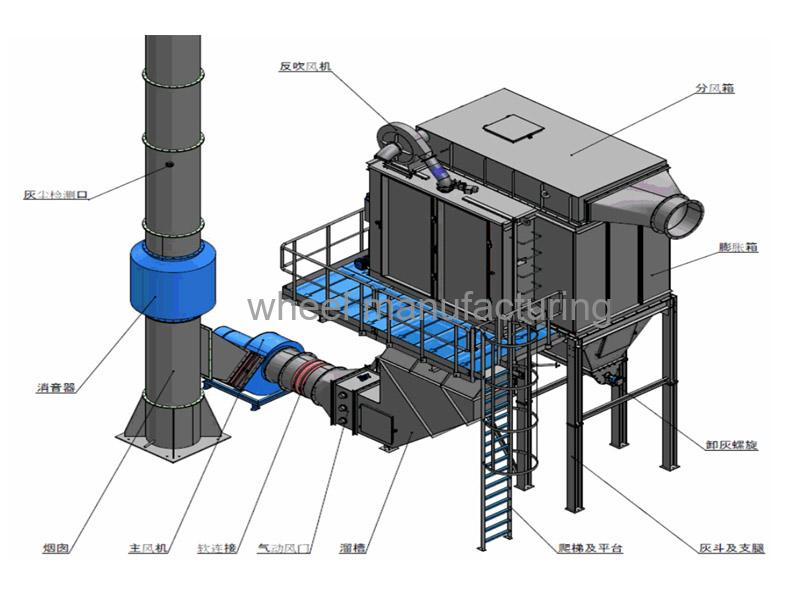
The hoses carry dust from your shot blasting machine to the collector. Over time, fine particles stick to the inside walls. Moisture makes this buildup worse. A partial blockage reduces airflow without showing obvious signs. You might notice weaker suction at the blast nozzle. Or you might see dust settling on surfaces that stayed clean before.
Start your weekly check by feeling each hose along its full length. A blocked hose feels firmer or warmer than normal. You can also disconnect the hose at both ends and look through it. Hold it up to a light source. Dark spots or shadows indicate buildup inside. For stubborn blockages, use a stiff brush attached to a flexible rod. Push it through the hose to break up the dust cake.
Check the filter drum of your shot blasting dust collector during this same inspection. Look for visible dust accumulation on the drum surface. If you see heavy buildup, activate the pulse backblow mechanism. This cleaning cycle releases compressed air pulses that shake loose the dust layer. Run the backblow until the drum looks clean again. A clean filter drum keeps suction strong and protects your shot blasting machine from overheating.
Hose clamps hold the connections between your shot blasting machine, ductwork, and dust collector. Vibration from the fan and blasting operations loosens these clamps over time. A loose clamp creates a small gap. Air escapes through this gap, carrying fine dust into your workspace. You might not see the leak, but your lungs will feel the difference.
Inspect every hose clamp and fitting once a week. Work your way from the blast cabinet to the shot blasting dust collector. Gently wiggle each connection point. Movement means the clamp needs tightening. Use a screwdriver or socket wrench to snug each clamp. Do not overtighten, as this damages the hose material. The clamp should hold the hose firmly without crushing it.
Check the casing joints of the dust collector as well. These joints seal the main body of the unit. Leaks here allow air and dust to escape into the room. Run your hand along each joint and feel for air movement. You can also hold a tissue near the joint. Fluttering tissue means you have a leak. Tighten the bolts or replace the gasket as needed.
Lubricate the housings of the four shot blaster parts once during your weekly check. This simple step reduces wear and keeps moving parts operating smoothly. Use a light machine oil on the bearing points. Your shot blasting machine will run quieter and last longer with this regular attention.
Your daily and weekly checks keep your shot blasting machine running smoothly. Monthly maintenance takes your care a step further. This deeper routine protects your equipment and maintains dust collector performance over the long term. Set aside a few hours each month for these important tasks.
Your filters collect fine dust every day. Even with daily inspections, dust builds up inside the filter media. Monthly deep cleaning restores full airflow and suction power.
For cartridge filters, use reverse pulse compressed air cleaning. This method sends a regulated pulse of compressed air through the filter. Solenoids and an adjustable timer control the pulse. The air blast dislodges dust from the outside of the vertically mounted cartridges. The dust then falls into the collection hopper below. Your shot blasting machine benefits from this thorough cleaning because it restores maximum suction.
For bag filters, mechanical shaking works well. You have three options. Manual shaking uses a rod on the side of the shot blasting dust collector. You operate this rod by hand to dislodge dust from the bag surface. A pneumatic shaker with a push button uses an air-powered cylinder. Press the button, and the cylinder moves horizontally to release accumulated dust. An automatic pneumatic shaker does the same job without manual effort. The shaking sequence triggers automatically when your blasting system turns off. This ensures consistent deep cleaning every time.
If your dust collector has a built-in cleaning function, activate it monthly. This removes excess dust from the filters. For WFS or WFD backwash systems, run the cleaning cycle according to the manufacturer's instructions. These systems use a trolley fan backwash that maximizes filter bag durability while reducing energy costs.
Your shot blasting machine has many moving parts. Bearings and gears need regular lubrication to reduce friction. Check your equipment manual for the correct lubricant type. Use grease for bearings and gears. Use oil for drive shafts and motors. Lubricate these points monthly, or more often for heavy use.
Inspect fast-wearing parts during your monthly check. Blades, impellers, liners, and seals wear out first. Check these parts every 100 to 300 hours of use. Replace blades when they are half used up. Replace the abrasive distributor if worn more than 3mm. Replace any damaged parts in the blast turbine and guard plate. Your shot blasting machine runs quieter and lasts longer with this regular attention.
Even with good maintenance, problems can still happen with your dust collection system. The key is to fix them step by step. When a problem happens, first find where it comes from. Is the issue in the air circuit, the sand circuit, the dust collection system, the electrical system, or a worn nozzle? This way you can find the real cause before you try a fix. Most failures are not big mechanical breakdowns. They are small issues you can fix quickly.
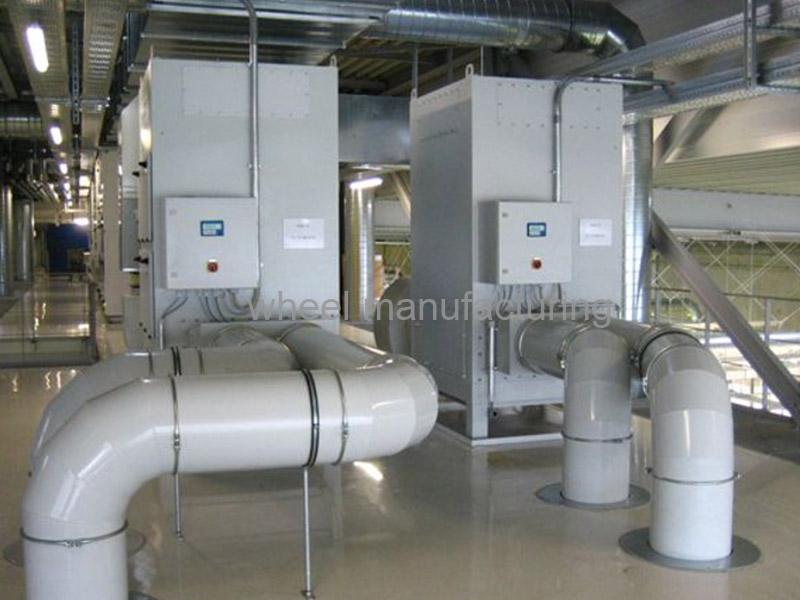
Loss of suction is the most common problem for operators of a shot blasting machine. This problem almost always comes from clogged filters or blocked hoses. Your daily pressure checks catch filter clogs early. Your weekly hose checks find blockages before they get bad. These two routines are the basis of fixing problems.
A shot blasting machine needs good dust collection to work right. If the dust collector is too small, has dirty filters, or needs maintenance, it cannot pull air well. This leaves dust on surfaces. The dust then goes back through the shot blasting machine, causing wear inside. The machine works harder under these conditions, and it may even trip circuit breakers.
Check your abrasive condition as part of your troubleshooting. Using abrasives like glass beads after 20 to 25 cycles overloads the dust collector. For a 3/8-inch siphon nozzle, replace 100 pounds of abrasive every 8 hours of use. This simple step keeps the dust collector from working too hard.
Think about whether your dust collector is too small for your current use. Match the collector CFM and filter area to the job. Automatic cleaning cycles reduce operator mistakes and keep filters working well. Use separate power supplies with separate breakers for the blaster and the collector. This stops electrical overloads that stop your shot blasting machine mid-cycle.
Too much noise from your dust collector means mechanical problems. The most common causes are loose fan blades, worn bearings, or loose belts. Check all bolts on the fan housing to make sure they are tight. Look at bearings for vibration, noise, or signs of wear. If belts squeal at start-up, they are too loose and need tightening. Replace worn belts with matched sets of spare V-belts. A noisy shot blasting machine dust collector wastes energy and signals that failure is coming.
Dust leakage is another serious issue. It means a seal has failed and needs quick action. The table below shows common causes and their fixes for bag-type collectors:
Probable Cause | Remedy |
|---|---|
Bags improperly installed | Check bag installation steps; repair as needed |
Bag clamps too loose | Tighten bag clamps |
Torn or damaged bags | Replace or tie off and replace later |
Leakage at tube sheet | Check tube sheet joints; repair as needed |
Venturi fasteners loose or missing | Repair as needed |
Insufficient filter cake | Allow more dust buildup by cleaning less often; use precoat on startup |
Bags too porous | Send bag for test; ask the manufacturer |
Inadequate bag tension | Check tension and/or springs for proper length |
During your weekly maintenance, check pulse dust collector filter cartridges for surface clogging or physical damage. If you find heavy dust coverage, do an offline air purge cleaning. This process restores filtration and stops dust from escaping your shot blasting machine.
Fixing these issues quickly keeps your shot blasting machine running smoothly. A step-by-step way to fix problems saves time and stops small problems from becoming expensive repairs. Your daily and weekly checks give you the information you need to diagnose and fix these common issues. A well-maintained dust collector is the base of reliable operation for your shot blasting machine.
Your maintenance routine is just a simple checklist. Check filters and do the fan test every day. Look at hoses each week. Give a deep clean and oil parts each month. Fix suction or noise problems as soon as they appear. This plan keeps your shot blasting machine working at full power.
Sticking to the routine is more important than doing it perfectly. A regular schedule helps your dust collector last longer. It also stops your shot blasting machine from breaking down in expensive ways. When you follow the schedule, you make your work space safer.
Start a maintenance log today. Write down every check you finish. If you are not sure about a step, set up a professional inspection. Taking good care of your shot blasting machine makes a healthy space for your team. Your dust collector works hard. Give it the care it needs.
Most cartridges last 6 to 12 months with regular care. Your daily pressure checks tell you when to swap them out. When cleaning no longer brings back normal airflow, put in new cartridges. Always keep spare cartridges ready so your shot blasting machine never stops working.
Yes. You can clean cartridge filters with reverse pulse compressed air. Bag filters work well with mechanical shaking. These methods take off surface dust and bring back suction. However, filters wear out over time. Tears, holes, or collapsed media mean it is time to replace them. A damaged filter lets dust escape and harms your shot blasting machine.
Clogged filters or blocked hoses cause most suction problems. Check your pressure gauge first. A high reading means filters need cleaning. Then look at hoses for buildup. Moisture makes blockages worse. Empty the dust bin if it is full. These simple steps bring back full airflow to your shot blasting machine.
Loose fan blades, worn bearings, or loose belts create most noise problems. Check all bolts on the fan housing. Listen for vibration from bearings. Squealing belts need tightening or replacement. Fix noise quickly. Small issues become expensive failures when ignored. Regular blast wheel maintenance prevents many of these problems.
You can handle daily, weekly, and monthly tasks yourself. These routines cover inspections, cleaning, and lubrication. However, call a professional if you notice ongoing problems. Strange noises, constant leaks, or weak suction after cleaning need expert diagnosis. Professional inspections find issues early and make equipment last longer.
Whatsapp: +86-13115294491
E-mail: kanas@blastingwheelgroup.com
ADD: No161, Han Jiang West Road, Xinbei District, Changzhou City, Jiangsu Province, China
Mobile: China: 0086-13115294898 ; International: 0086 13115294491


