


World-Class Shot Blasting Technology


Wheel (Changzhou) Intelligent

+
Wheel (Changzhou) Intelligent Manufacturing Co., Ltd.
World-Class Shot Blasting Technology

An automated shot blaster shoots abrasive media at high speed to clean, descale, or peen surfaces very efficiently. You face a big choice: many shot blasting machine types exist, and each fits different workpieces and production goals. This automatic equipment market hit USD 2.7 Billion in 2024, says Custom Market Insights. This guide covers machine types, how to pick them, operation, safety, and real-world uses. You will learn how to match each shot blasting machine's features to your needs for the best performance and surface quality. Follow this clear path to make a smart choice that improves your prep steps and cuts costs.
Choose the shot blaster that fits your part’s shape and how many you make for the best outcome.
When you choose a shot blaster machine, think about all the costs, not just the price to buy it.
Use the correct abrasive media to get the surface finish you want.
Choose machines that include abrasive recycling and dust collection to save money and stay safe.
Follow safety checks and upkeep routines to keep your machine working well.
When picking an automated shot blaster, you have many options. Knowing the main types helps you narrow things down. Each type works best for certain part shapes, sizes, and how many parts you need to clean. The table below lists common types and what they are usually used for.
Machine Type | Typical Applications |
|---|---|
Tumble Blast Machines | Small bulk parts cleaning (screws, fasteners) |
Table Blast Machines | Large, flat parts (plates, beams) |
Spinner Hanger Blast Machines | Hanging parts (automotive components, castings) |
Continuous Blast Machines | High-volume production lines |
Suction Blast Machines | Delicate, detailed parts (deburring) |
Pressure Blast Machines | Heavy-duty cleaning |
Wet Blast Machines | Fine surface finish with dust control |
Wheel blast systems use electric motors to spin rotating wheels. These wheels throw abrasive media at high speed using centrifugal force. This method gives steady speed across big areas. You get faster cleaning and better energy use for high-volume jobs. Overhead hook machines handle medium to large odd-shaped parts with full 360° rotation. Continuous pass-through machines work well for long or delicate parts on assembly lines.
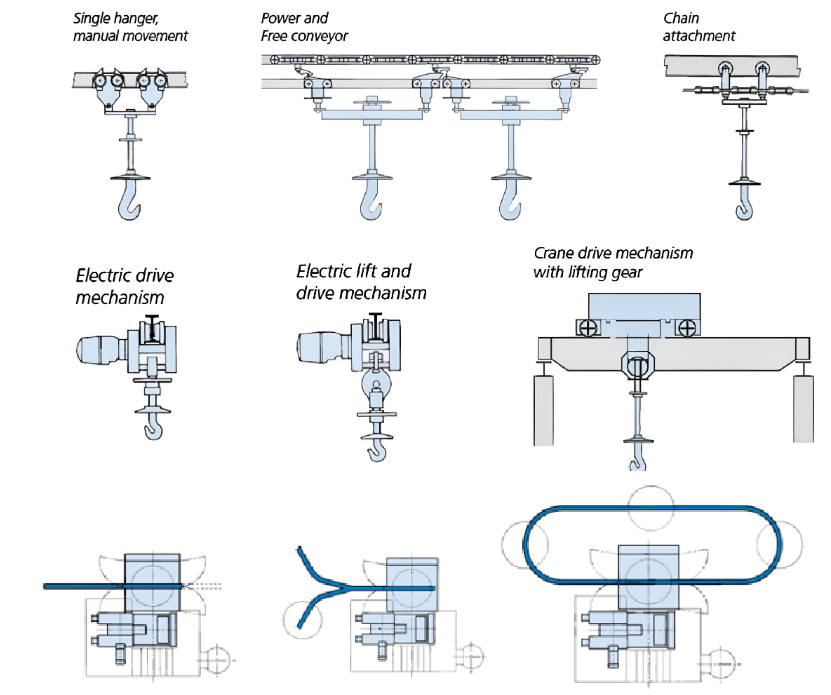
Air blast systems use compressed air to push media. You can set the speed exactly for fragile parts. This control makes air blasting great for aerospace parts and fine finishing work. But air systems use more energy for the same coverage. They also work slower than wheel systems on big surfaces. Your pick depends on whether you need speed or precision more.
A cabinet shot blasting machine is another automated choice. This closed system keeps the blasting process fully inside. You load parts through doors or openings, and the machine runs on its own. Cabinet designs fit medium batches where you want steady results without someone watching over it.
A portable shot blasting machine brings the blasting process right to your worksite. You do not have to move heavy parts to a fixed setup. These units shine at concrete floor prep, bridge upkeep, and ship deck repair. They roll across flat surfaces while trapping dust and collecting abrasive media.
How much work they do depends on the model size. Smaller portable units cover up to 120 square meters per hour. Mid-range machines handle up to 250 square meters per hour. The biggest portable shot blasting machines process up to 450 square meters per hour or more. You should match machine capacity to your project time and surface size.
Portable gear also fits small jobs where setting up a full production line is not worth it. You get flexibility for maintenance work and field tasks. This advanced blasting technology lets you get even surface prep wherever your work takes you.
To pick the right automatic shot blasting machine, you must know your production setup well. Your choice affects running costs, output speed, and final surface quality. Two main things guide this choice: your part details and how many you make, plus your abrasive and desired finish. Thinking through these steps helps you find a machine that gives steady results.
Your part size and shape decide the best machine type. Small, strong parts like castings or forgings work well in a tumble blast machine. These systems handle big batches with even coverage. Medium to large odd shapes need a hanger type system. The overhead hook design cleans weldments and complex castings without hitting them. Very large items like excavator booms need Y-track or trolley setups that can handle huge size and weight.
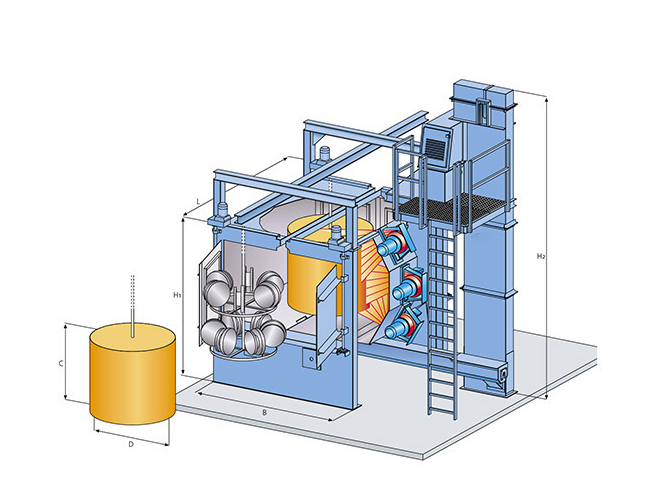
Thin, breakable parts like aluminum die castings need gentle care. A wire-mesh belt or rotary table stops damage during blasting. Parts with deep holes or internal channels need multi-wheel setups or directed air-blast nozzles to reach everywhere. Your part shape directly guides this choice.
How many parts you make drives your next big decision. High-volume jobs benefit from continuous pass-through machines that fit into your production line. Lower volume or high-mix shops prefer hook-type units that switch between jobs quickly without losing speed.
Total cost of ownership changes a lot between machine types. Look at this comparison for typical systems:
Cost category | Tumble blast (30 HP) | Hanger type (2×30 HP) | Roller conveyor (4×30 HP) |
|---|---|---|---|
Capital cost (USD) | $45,000–$90,000 | $120,000–$220,000 | $280,000–$600,000 |
Annual energy cost (USD) | ~$8,400 | ~$16,800 | ~$42,000 |
Annual media cost (USD) | ~$6,000 | ~$11,000 | ~$38,000 |
Annual wear parts (USD) | ~$4,500 | ~$9,000 | ~$28,000 |
Estimated cost per hour (USD) | $9.40–$14.20 | $18.80–$26.50 | $54.00–$88.00 |
Assumptions: $0.12/kWh, two-shift operation, 250 days/year, S330 steel shot media.
For a medium-sized foundry, technical check should focus on four items. First, blast wheel design and build quality decide efficiency and running cost. Second, dust collection system size must match your blast wheel power to avoid problems. Third, abrasive recycling system efficiency stops too much media waste. Fourth, after-sales support ensures quick spare parts delivery and less downtime. These key features guide your money toward a machine that balances upfront cost with long-term results.
Your choice of abrasive media directly controls the surface roughness you get. Steel shot is round. It makes a smooth, shiny surface good for shot peening. Bigger shot removes thicker coatings and creates a smoothed texture. Steel grit has a sharp, random shape. It carves or scrapes the surface with fast stripping action. This makes a rough anchor pattern for new coatings to stick well.
Steel grit cuts very well. But steel grit might be too tough for thin metals. Aluminum oxide offers a different profile. Its sharp shape and high hardness create controlled, exact patterns, making it suitable for non-ferrous metals without risk of iron rust.
Both steel shot and steel grit are softer than aluminum oxide. They may remove surface dirt more slowly. Also, blasting stainless steel with steel media can cause rust from iron. You must match media type to your base material.
Your desired surface finish guides the final choice. For cleaning and peening, steel shot gives steady results. For coating prep needing a deep anchor pattern, steel grit works better. For precise work on sensitive materials, aluminum oxide gives the control you need. Testing samples with different media types confirms the best choice before scaling up. How media choice affects equipment wear changes your long-term costs. Harder media wears out internal parts faster. Using the right media size reduces this wear. Your supplier can suggest the best media for your specific prep goals.
To get the most from your equipment, focus on systems that cut waste and boost control. Two areas matter most: how the machine handles used media and how it adapts to changing needs. An automated shot blaster that does well in these areas lowers running costs and gives steady results. A shot blasting machine with these features becomes a tool for careful cleaning and lasting value. The right features support your whole surface prep and finishing process.
An automated recycling system catches used abrasive, removes broken bits, and sends good media back to the blast stream. This reduces abrasive consumption and lowers your cost per part.
Your dust collection choice matters just as much. A baghouse collector works well for heavy, abrasive dust. A cartridge collector suits abrasive finishing jobs because its down-flow design traps fine metal dust. Using the right collector keeps your work area clean and helps meet environmental regulations. Together, recycling and dust collection boost your prep efficiency and keep finish quality. Every shot blasting machine benefits from these built-in features.
PLCs form the brain of an automatic shot blasting machine. They control blast time, wheel speed, and part position. This control gives you exact repeatability for every cycle. For any shot blasting machine, VFDs provide key process control. They adjust wheel RPM with high precision, which changes media speed. This adjustment is critical when you work with different metal thicknesses. Adjusting the wheel speed with VFDs can reduce power draw significantly while avoiding warping thin parts and meeting strict peening rules.
Real-time monitoring systems track machine status and abrasive flow. They give automatic alerts for issues before they cause downtime. Remote access lets operators change settings without stopping production. These controls improve your overall productivity and ensure steady surface prep and finishing. An automatic shot blasting machine with these controls handles high-volume runs without losing quality or surface treatment standards.
Running this shot blasting machine means you own the job of staying safe and keeping it in good shape. The fast-moving media and heavy equipment create real dangers. You must follow the right steps every time. This part covers the safety checks you do before each shift starts. It also shows how to keep this automated system running well with regular care.
Start each day by walking around the machine. Look for loose guards on your shot blasting machine, damaged hoses, and any media leaks. Make sure all safety interlocks work right. These interlocks stop the machine if you open a door or access panel. Never bypass them. These safety steps keep you and your crew safe.
Noise from your automated equipment can be very loud. You must wear hearing protection. Use both earplugs and earmuffs in high-noise areas. Eye injuries happen when media bounces back. You wear a face shield over safety glasses. Heavy leather gloves protect your hands from cuts when you move parts. Your surface prep work needs a machine that stays in good condition.
The table below lists the main hazards you face and the controls you use:
Hazard | Corresponding Safety Control |
|---|---|
Airborne dust (silica, toxic paint dust, steel shot) | Use blast cabinets with dust collectors; switch to steel media; wear respirators; monitor air quality |
Excessive noise | Enclose equipment; install sound baffles; require hearing protection (plugs AND muffs); conduct noise monitoring; limit exposure time |
Eye injuries from ricocheting media and dust | Use face shields over safety glasses; ensure clear shield windows; maintain safe operating distances |
Cuts and contusions from handling heavy parts | Use heavy leather gloves; follow proper loading/unloading procedures |
Equipment misuse due to lack of training | Provide comprehensive operator training on machine controls, blasting techniques, and safety interlocks |
Respiratory hazards from toxic coatings (e.g., lead paint) | Use filtered respirators; conduct air quality monitoring; use fully enclosed equipment with dust collectors |
You also watch for vibration hazards. Long use of blasting tools can cause vibration syndrome. Rotate jobs among operators. Machine features like vibration-isolating handles also help reduce this risk.
Your shot blasting machine has parts that wear out from constant abrasive impact. Blades, impellers, and liners take the most abuse. You inspect these components regularly based on operating hours. The exact interval depends on how hard you run the machine. High-wear parts need more frequent inspection.
A steel fabrication plant provides a real example. Workers initially replaced blades on a fixed schedule. After they started monthly thickness measurements, they found one wheel's blades wore faster than the others due to off-center abrasive flow. Adjusting the control cage alignment fixed the problem. This case shows that condition-based maintenance gives better results than fixed schedules.
You also lubricate bearings, gearboxes, and rotary joints on schedule. Proper lubrication prevents overheating and unplanned stoppages. Use only the supplier-recommended lubricants. Using original replacement parts ensures correct fit and function. These actions directly improve your machine's performance.
Your preventive maintenance program includes several key actions. Routine inspections detect early signs of wear before failure happens. Scheduled lubrication extends component life. Anticipating issues through checklists and automated monitoring keeps your line running. The surface finish you achieve depends on proper upkeep.
Regular maintenance helps identify potential issues before they escalate into costly repairs or downtime. A detailed schedule covering inspections, lubrication, component replacements, and cleaning ensures no task is overlooked, preventing small problems from becoming major failures.
Track your inspection data. Note operating hours, media type, and replacement dates. This record helps you predict future needs. It also boosts your overall automatic productivity. A well-maintained machine delivers consistent quality shift after shift. This careful preparation for each workday rewards you with steady efficiency and long equipment life.
Automated shot blasters help many industries with different surface prep needs. Each field wants specific results, from exact cleaning to taking off rust and paint. Knowing these uses helps you pick the right machine for your real-world jobs.
Car makers use shot blasting machines for engine parts. Connecting rods get shot peening to handle high stress and repeated loads. This process puts pressure on the metal surface. That pressure fights the pulling forces created when the engine runs. Your parts become stronger against cracking from wear. Computer systems watch key settings like air pressure, shot flow at each nozzle, and how fast the part spins. The system continuously checks each setting against set limits and stops if something goes wrong. This automatic watch keeps quality steady and stops flaws.
Aerospace work needs even more exact control. Turbine blades, engine parts, and structural pieces need careful cleaning and surface texturing. These steps create specific finishes that make parts work better and last longer. Fixing aircraft parts, stopping rust, and preventing wear all depend on proper surface treatment. Your shot blasting machine must deliver high accuracy and repeat results. Strict aerospace rules govern every cycle. Surface prep helps coatings stick well while making parts more resistant to fatigue. Foundries use cabinet shot blasting machine systems to clean and deburr castings. These machines remove sand, scale, and extra material from complex shapes. The cabinet holds the media inside while giving even coverage to every batch.
Shipbuilding brings some of the hardest surface prep challenges. Hull plates, ship structures, and offshore rigs need full rust and scale removal before painting. Automated shot blasters can achieve a high level of cleanliness for shipbuilding surfaces, ensuring good coating grip and rust resistance. Quality checks compare the surface to visual standards.
Heavy equipment makers face similar needs. Excavator booms, bulldozer blades, and structural steel beams need full cleaning before finishing. A portable shot blasting machine brings this power right to the work site. You can treat large parts without moving them to a fixed line. Roller conveyor systems handle steel plates and profiles at a steady pace. These machines boost surface quality while lowering upkeep costs. The result extends coating life and protects your investment in costly machinery. Every application shares common goals: cleaning and deburring, rust and paint removal, and getting high-quality finishes. Your machine choice decides how well you meet these targets. The right automated system delivers real gains in efficiency and performance across every field.
Picking the right shot blaster begins with knowing your part shape and how many you make. Then match those needs to key features, like abrasive recycling and automated controls. Safety checks and regular upkeep protect your money and keep quality steady.
A smart choice cuts your cost per part and makes the machine last longer. The right system gives exact work, saves energy, and runs dependably in many jobs. Talk to makers like Wheel (Changzhou) for custom answers that fit your surface prep goals.
Use this guide as a starting point to check your own production needs, then contact an expert for a custom recommendation.
Check blades and liners regularly based on operating hours. Swap them out based on thickness readings. Keep bearings greased on a set schedule. This care keeps quality steady and makes equipment last longer.
Yes. A cabinet unit works well for fragile items like aluminum castings. The closed system controls media with care. This automated method avoids damage while fully cleaning complex shapes.
Wheel blast uses centrifugal force for quick coverage on big surfaces. Air blast gives exact speed control for gentle surface work. Pick wheel blast for speed. Pick air blast for precision on fragile parts.
Confirm all guards and interlocks work properly. Put on hearing protection, a face shield, and gloves. Look for media leaks. These actions stop injuries and keep your automated machine safe to run.
The closed cabinet keeps media inside during operation. It provides even surface coverage for medium-sized batches. You get consistent results without needing to watch over each cycle.
Whatsapp: +86-13115294491
E-mail: kanas@blastingwheelgroup.com
ADD: No161, Han Jiang West Road, Xinbei District, Changzhou City, Jiangsu Province, China
Mobile: China: 0086-13115294898 ; International: 0086 13115294491


